
Plant-based eating has gained significant attention in recent years, and for good reason. From improved heart health to better digestion and reduced inflammation, plant-forward diets can offer many benefits. But does that mean plant-based options are always the best choice for everyone?
The short answer is, it depends.
Nutrition is not one-size-fits-all. The best eating pattern is one that supports your health, fits your lifestyle, and meets your body’s unique needs.
Let’s break it down.
What Does “Plant-Based” Really Mean?
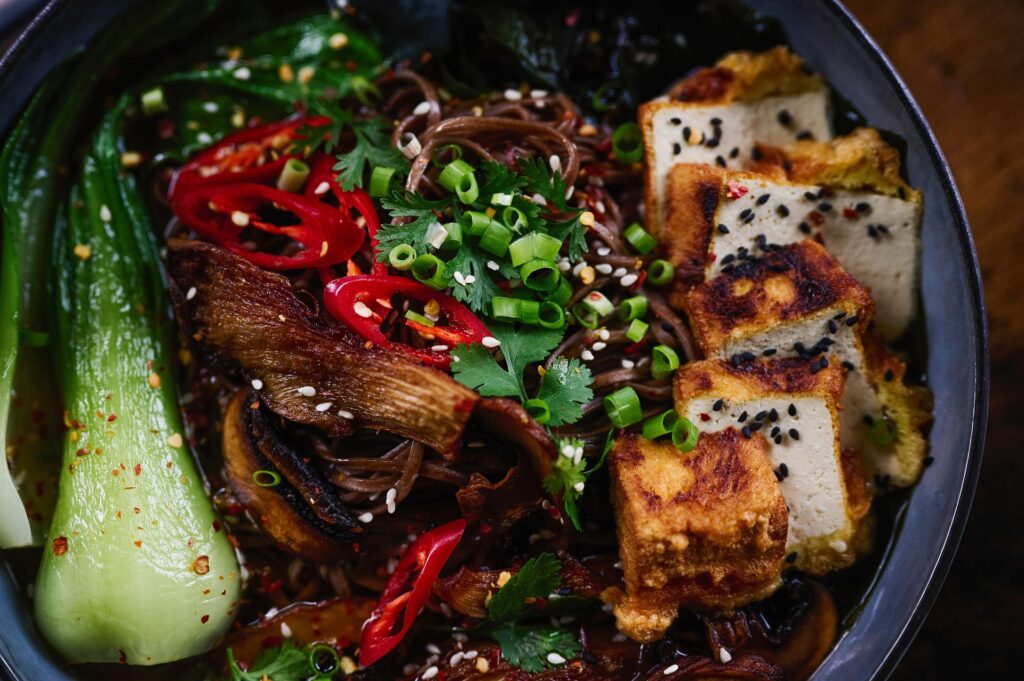
A plant-based diet doesn’t have to mean vegan or vegetarian. At its core, it emphasizes plant-based foods, such as vegetables and fruits, whole grains, beans and lentils, and nuts and seeds.
Some people choose to exclude animal products entirely, while others follow a plant-forward or flexitarian approach, prioritizing plants while still including foods like fish, eggs, or lean meats.
Both approaches can be healthy when done well.
Benefits of Plant-Based Options
Plant-based foods are rich in nutrients many people don’t get enough of, including:
- Fiber, which supports gut health, blood sugar balance, and heart health
- Antioxidants, which help reduce inflammation
- Phytonutrients, which support immune function and overall wellness
Research consistently shows that diets rich in whole plant foods are associated with lower risks of heart disease, type 2 diabetes, and certain chronic conditions. For many people, increasing plant-based options can be a powerful step toward better health.
When Plant-Based Isn’t Automatically “Better”
While plant-based eating can be beneficial, it’s important to recognize that not all plant-based foods are equally nourishing.
- Ultra-processed plant-based products (like some meat substitutes or snack foods) can be high in sodium, refined oils, and additives.
- Some individuals may struggle to meet needs for protein, iron, vitamin B12, calcium, omega-3 fats, or zinc without careful planning.
- People with digestive conditions such as IBS or IBD, higher protein needs, or certain medical conditions may not thrive on a fully plant-based diet.
In these cases, including animal-based foods or using a blended approach may be more supportive.
Nutrition Is Personal
Factors that matter include:
- Age and life stage
- Medical history
- Digestive tolerance
- Cultural food preferences
- Access, affordability, and time
For some, a fully plant-based diet feels energizing and sustainable. For others, a mix of plant and animal foods provides better balance, satisfaction, and nutrient coverage.
A Practical, Balanced Approach
Instead of focusing on labels, consider these principles:
- Build meals around plants, regardless of your dietary pattern
- Choose whole, minimally processed foods most of the time
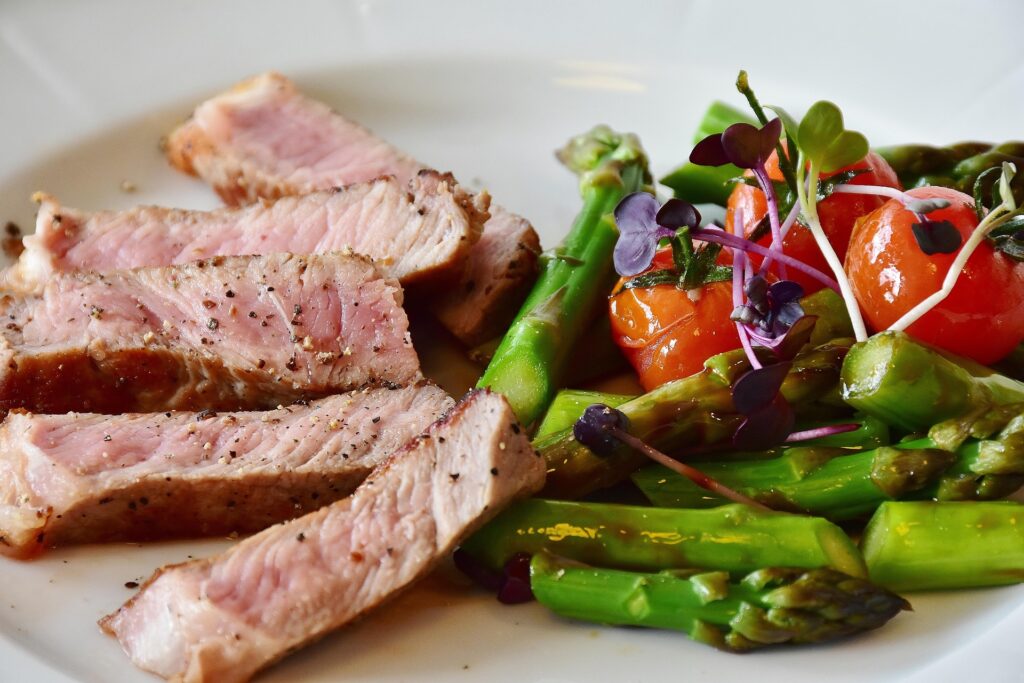
- Include adequate protein from plants, animals, or both
- Honor your body’s signals and adjust as needed
You don’t have to choose sides. You can enjoy lentil soup one night and salmon with roasted vegetables the next. Both can fit into a nourishing lifestyle.

The Takeaway
Plant-based options can be incredibly beneficial, but they are not automatically superior for everyone. Health is about balance, personalization, and sustainability.
The “best” diet is the one that:
- Nourishes your body
- Supports your health goals
- Fits your life
- And feels good long-term
Food should support you, not stress you out. If you’re curious about incorporating more plant-based meals or wondering how to balance them with other foods, working with a registered dietitian can help you find the approach that truly works for you.