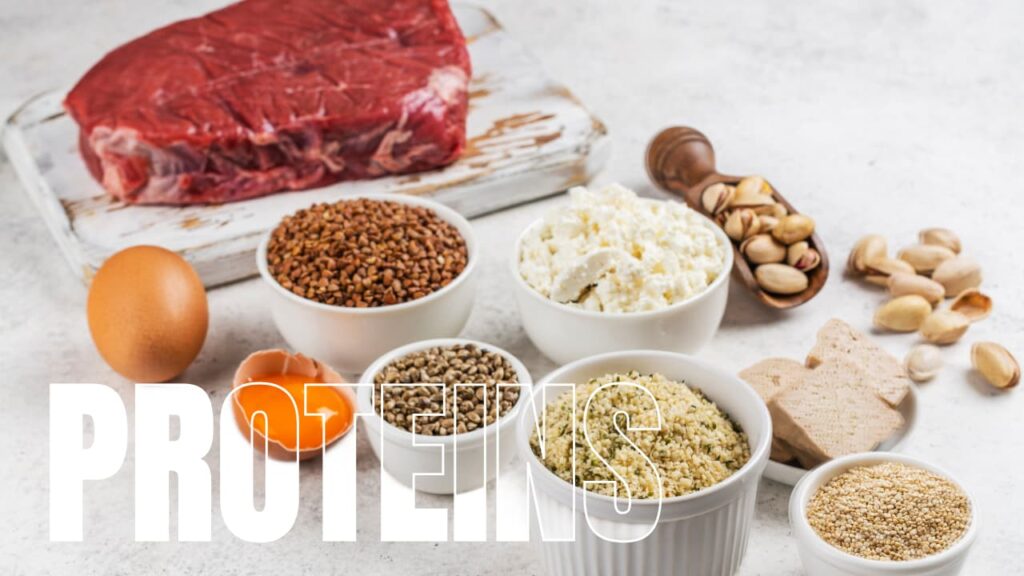
Protein is one of the most talked-about nutrients right now, and for good reason. It plays a critical role in building and maintaining muscle, supporting growth, and keeping us feeling full and energized. But protein needs aren’t one-size-fits-all. They vary depending on age, lifestyle, and even medications.
Let’s break down why protein matters for adults, children, and those who take GLP-1 medications.
Protein for Adults: Supporting Strength and Metabolism
As we age, maintaining muscle becomes more important. Protein helps:
- Preserve lean muscle mass
- Support metabolism
- Aid in recovery and repair
Many adults don’t eat enough protein consistently throughout the day. Instead of loading it all at dinner, aim to include protein at every meal, like eggs at breakfast, chicken or beans at lunch, and fish or tofu at dinner.
Protein for Children: Fueling Growth and Development
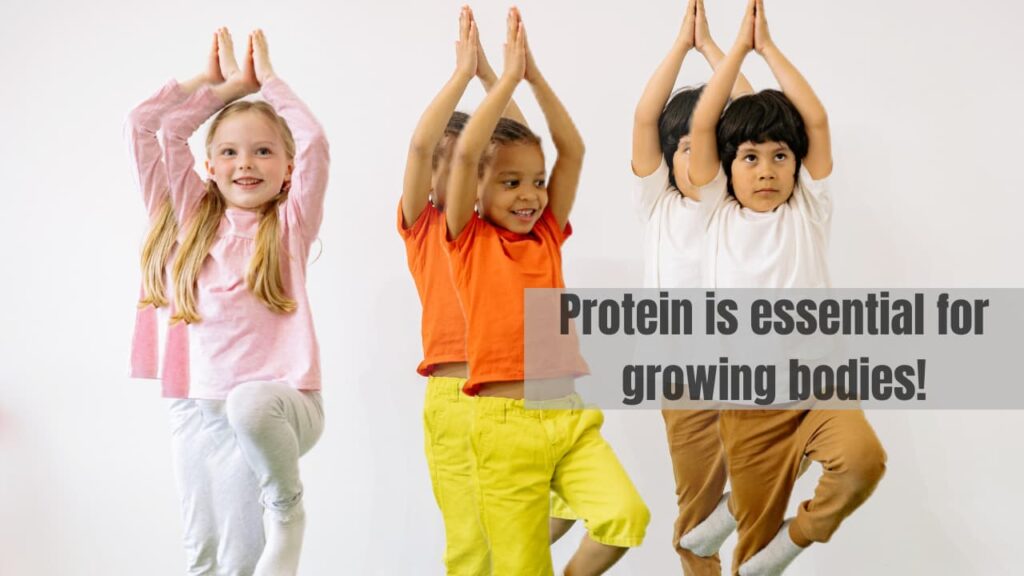
Protein is essential for growing bodies. It supports:
- Physical growth and development
- Immune function
- Stable energy and focus
Most children meet their protein needs, but the quality and distribution still matter. Offering a variety of sources like yogurt, eggs, beans, nut butters, and lean meats helps ensure they’re getting the nutrients they need.
Balanced meals that include protein can also help prevent energy crashes and keep kids satisfied between meals.
Protein and GLP-1 Medications: Protecting Muscle While Appetite Decreases
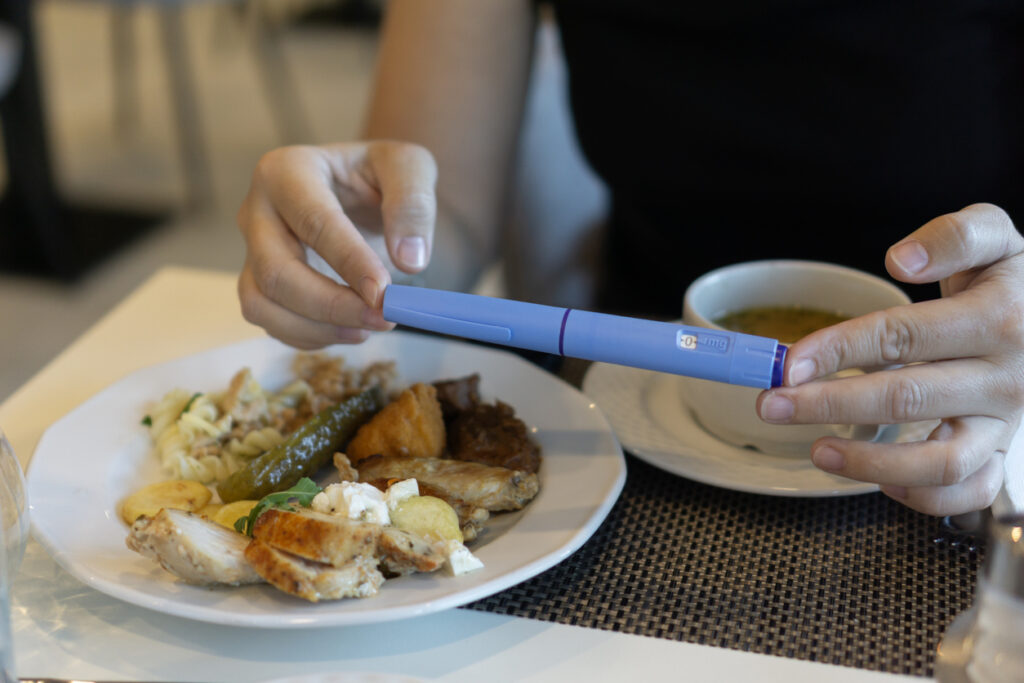
For individuals taking GLP-1 medications (often used for weight management or diabetes), protein becomes even more important.
These medications can:
- Reduce appetite
- Lead to lower overall food intake
Without enough protein, there is a risk of losing muscle along with weight.
Prioritizing protein helps:
- Preserve lean body mass
- Support metabolic health
- Improve satiety with smaller meals
Simple strategies include:
- Choosing protein at meals
- Including easy options like Greek yogurt, eggs, cottage cheese, or protein smoothies
- Eating smaller, protein-rich meals throughout the day if large meals feel difficult
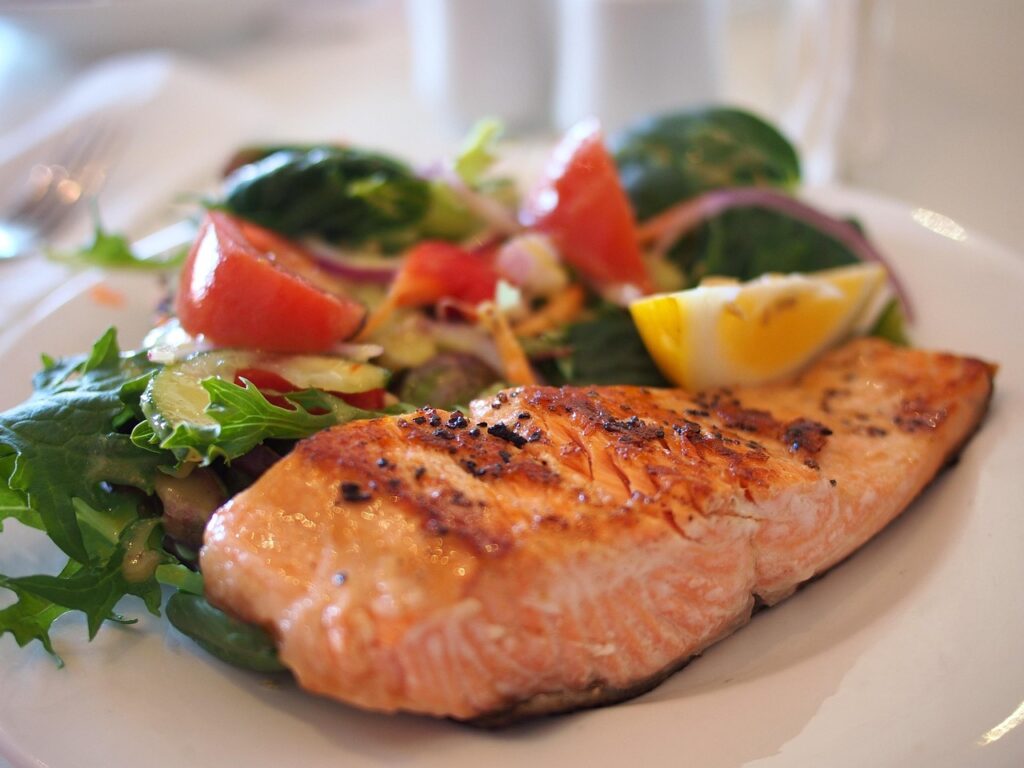
How Much Protein Do You Need?
While needs vary, general guidance includes:
- Adults: ~0.8–1.2 grams per kilogram of body weight (can be higher for active individuals or those on GLP-1s)
- Children: based on age and growth needs, typically met with balanced meals
A registered dietitian can help personalize this based on your goals and health needs.

The Bottom Line
Protein isn’t just for athletes, it’s essential at every stage of life. Whether you’re supporting a growing child, maintaining strength as an adult, or navigating appetite changes on a GLP-1 medication, protein plays a key role in keeping your body strong, nourished, and functioning at its best.
Start simple: include a source of protein at each meal, choose a variety of whole foods, and build balanced plates that work for your lifestyle.