
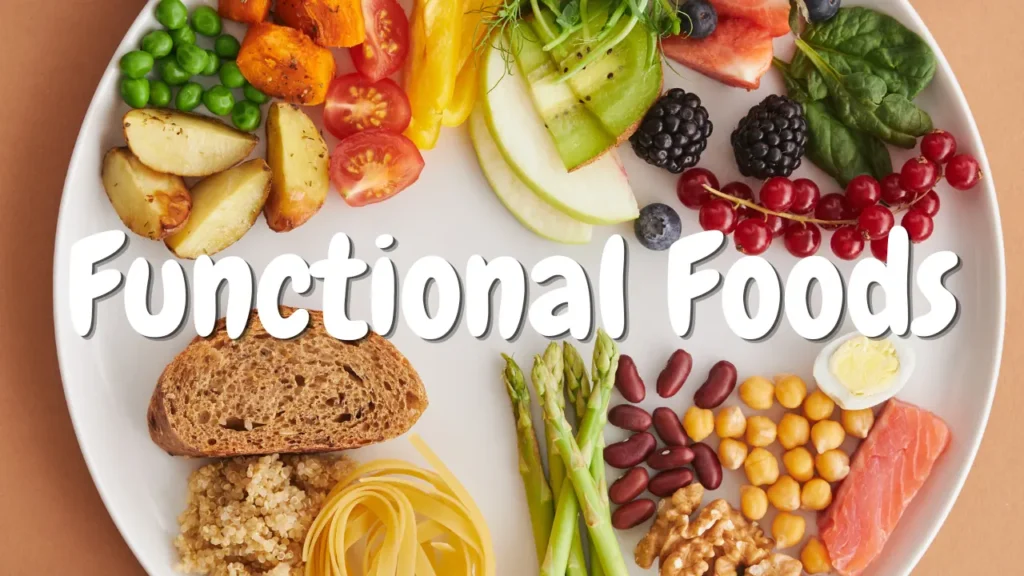
You may have heard the terms “functional foods” and “functional ingredients” in health magazines, on social media, or on food labels. While they may sound complicated, the concept is actually quite simple.
Functional foods and ingredients are foods that provide benefits beyond basic nutrition. In addition to supplying nutrients like carbohydrates, protein, fats, vitamins, and minerals, they may help support specific aspects of health, such as heart health, gut health, immunity, or inflammation.
What Are Functional Foods?
Functional foods are whole or minimally processed foods that naturally contain compounds that support health and wellness.
Examples include:
- Blueberries and other berries, which contain antioxidants that help protect cells from damage
- Oats, which contain beta-glucan, a type of fiber that supports heart health
- Salmon, which provides omega-3 fatty acids that support heart and brain health
- Yogurt with live cultures, which contains probiotics that support gut health
- Beans and lentils, which provide fiber and plant compounds that support digestive and metabolic health
- Leafy greens, which are rich in vitamins, minerals, and protective plant compounds
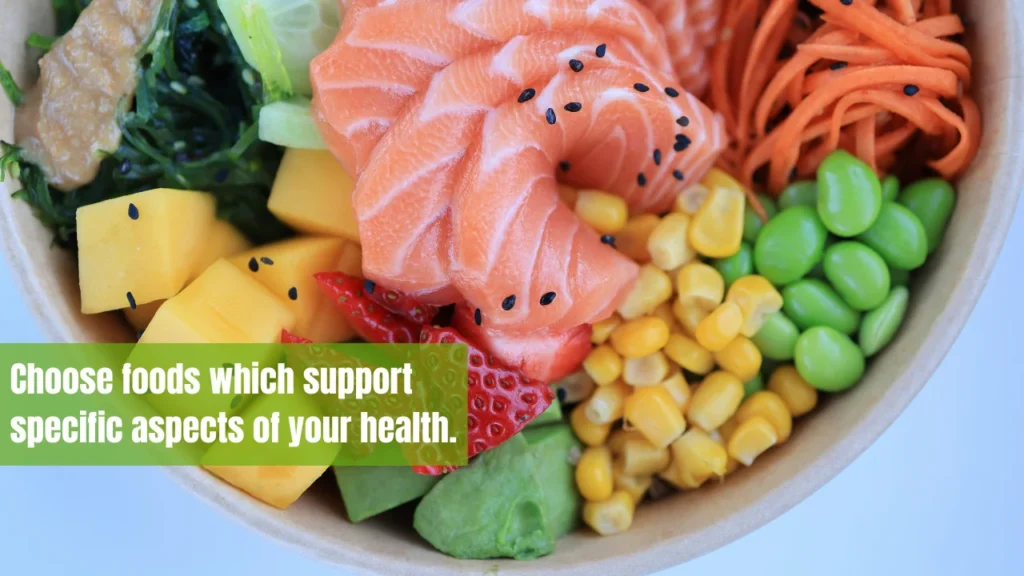
What Are Functional Ingredients?
Functional ingredients are specific components found in foods or sometimes added to foods that provide health benefits.
Examples include:
- Probiotics found in yogurt, kefir, and fermented foods
- Prebiotics found in onions, garlic, bananas, oats, and asparagus, which feed beneficial gut bacteria
- Omega-3 fatty acids found in fatty fish, walnuts, and flaxseeds
- Fiber found in fruits, vegetables, legumes, and whole grains
- Polyphenols found in berries, green tea, cocoa, and colorful fruits and vegetables
These ingredients work behind the scenes to support overall health and wellness.

Why Are Functional Foods Important?
Functional foods can help support many areas of health, including:
- Gut health and digestion
- Heart health
- Immune function
- Brain health
- Healthy aging
- Reduced inflammation
While no single food can prevent disease or guarantee health, regularly including functional foods as part of a balanced eating pattern may contribute to better long-term health outcomes.
How to Include More Functional Foods in Your Day
The good news is that you don’t need special supplements or expensive products to benefit from functional foods.
Try these simple strategies:
- Add berries to oatmeal or yogurt
- Include beans or lentils in soups, salads, or tacos
- Choose whole grains like oats, quinoa, or brown rice
- Enjoy fatty fish such as salmon once or twice per week
- Add garlic, onions, and leafy greens to meals
- Include fermented foods like yogurt or kefir regularly

The Bottom Line
Functional foods and functional ingredients are simply foods and food components that offer benefits beyond basic nutrition. By regularly including foods like berries, oats, beans, leafy greens, yogurt, and salmon in your meals, you can support your gut, heart, brain, and overall wellness.
The best part? Many of the most powerful functional foods are everyday foods that can easily fit into a healthy lifestyle, one meal at a time.