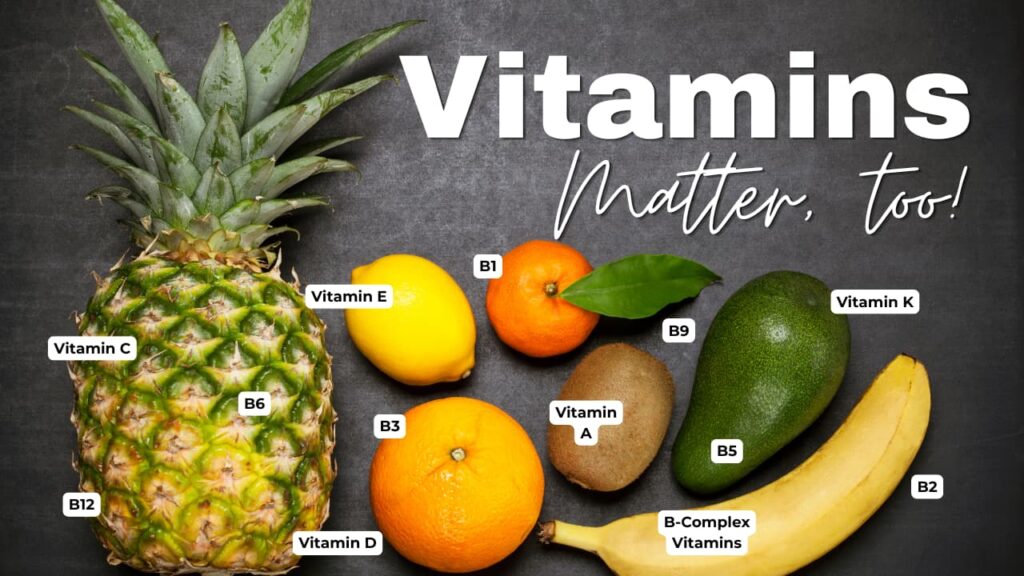
We are constantly told about vitamins. Vitamin C for immunity, vitamin D for the bones, and vitamin A for vision, but have you ever taken a moment to consider just how much these small nutrients actually do?
The term micronutrients (vitamins and minerals) refers to nutrients which our bodies require in small quantities. However, do not be misled by the word “micro”. Vitamins support children’s growth, help convert food into energy, support the immune system, help form healthy bones, and ensure the brain, eyes, skin, and other organs function properly.
Adults need these vitamins just as much!
What are some of the vitamins that our families need?
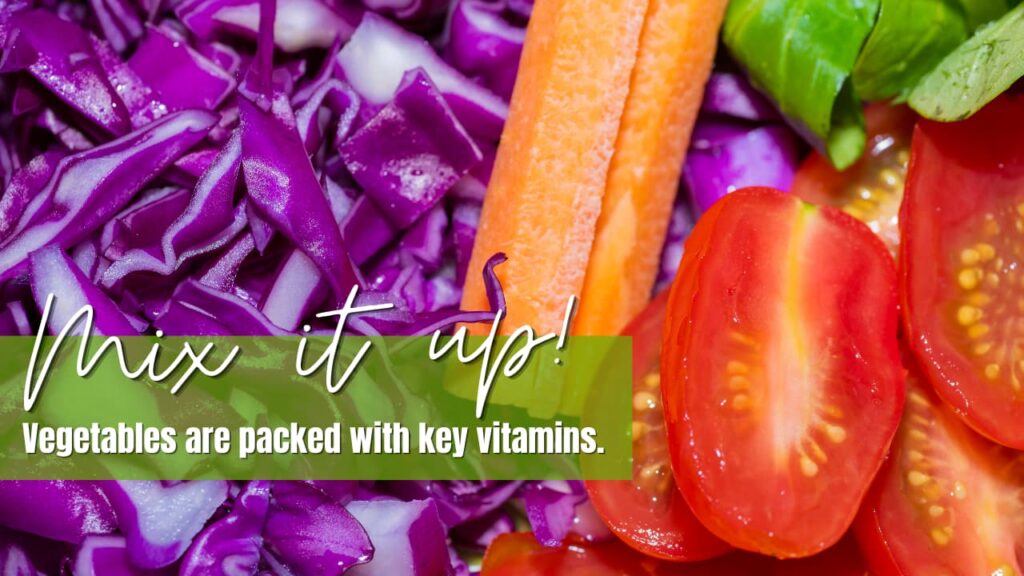
Vitamin A is important for maintaining good vision, immunity, growth, and development. Foods that are colored, such as sweet potatoes, carrots, pumpkin, spinach, and other dark leafy greens, contain carotenoids that the body can convert into vitamin A. Eggs and dairy products are also sources.
The B Vitamins are a group of vitamins that help the body use energy from food and support a variety of functions, including red blood cell production and nervous system health. They are found in foods such as whole grains, beans, lentils, eggs, dairy products, meat, fish, and leafy greens.
Vitamin C helps to support the body’s immune function, promotes the production of collagen and aids in wound healing. It also assists the body in absorbing iron from plant foods. Don’t limit yourself to oranges! Other good sources include strawberries, kiwi, bell peppers, broccoli, tomatoes and citrus fruits.
Vitamin D cooperates with calcium in supporting the development of bones and teeth and also has a function in the immune system; although few foods contain large quantities of it, fatty fish, the yolks of eggs, and vitamin D-fortified foods such as milk and certain plant-based milks and cereals can help families to meet their requirements.
Vitamin E functions as an antioxidant and helps protect our cells; good sources include nuts, seeds, avocado, and some vegetable oils.
Vitamin K supports normal blood clotting and bone health; good sources include spinach, kale, collard greens, and broccoli.
How Can Families Get More Vitamins?
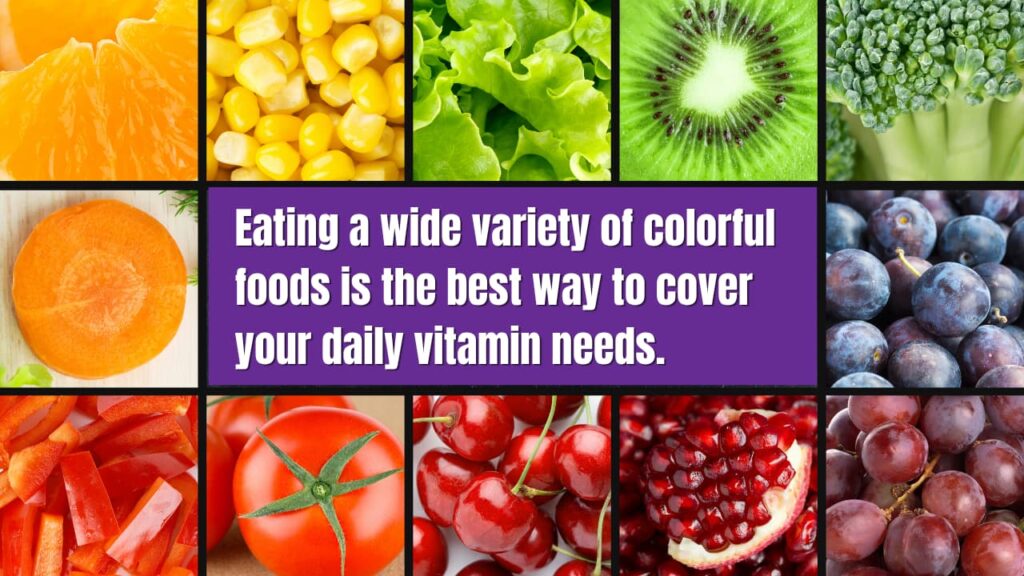
You don’t need to remember every vitamin or make a “perfect” plate; instead, focuson variety. Add fruit to your breakfast, and also include a piece of fruit or a vegetable with your snacks, vary the colors of the produce that you buy, select whole grains, and incorporate foods such as eggs, beans, nuts, seeds, dairy or fortified alternatives, fish, and lean meats during the week.
Get the children as well. Let them choose a new colored fruit or vegetable at the supermarket, or help them prepare it at home. Give them exposure, even if they don’t eat much of it the first time.

Food First, Supplements When Needed
A child’s multivitamin should not replace their normal diet, since whole foods contain vitamins along with fiber, minerals, protein, healthy fats, and thousands of other naturally occurring compounds that work together.
In some cases, children may need supplements because of their age, dietary restrictions, small intake, an existing deficiency, or other individual requirements. Consult your child’s pediatrician or registered dietitian before starting supplements regularly.
The Takeaway
Just as minerals do, vitamins can be required in small quantities, though they carry out some very important functions.
Rather than focusing on individual nutrients, help your family plan their meals with a variety of foods. Because different foods contain different vitamins, these nutrients work together to support growing children and the adults who raise them.
By teaching children to eat a wide range of healthy foods, we are not just providing food for today but also helping establish good health for the rest of their lives.