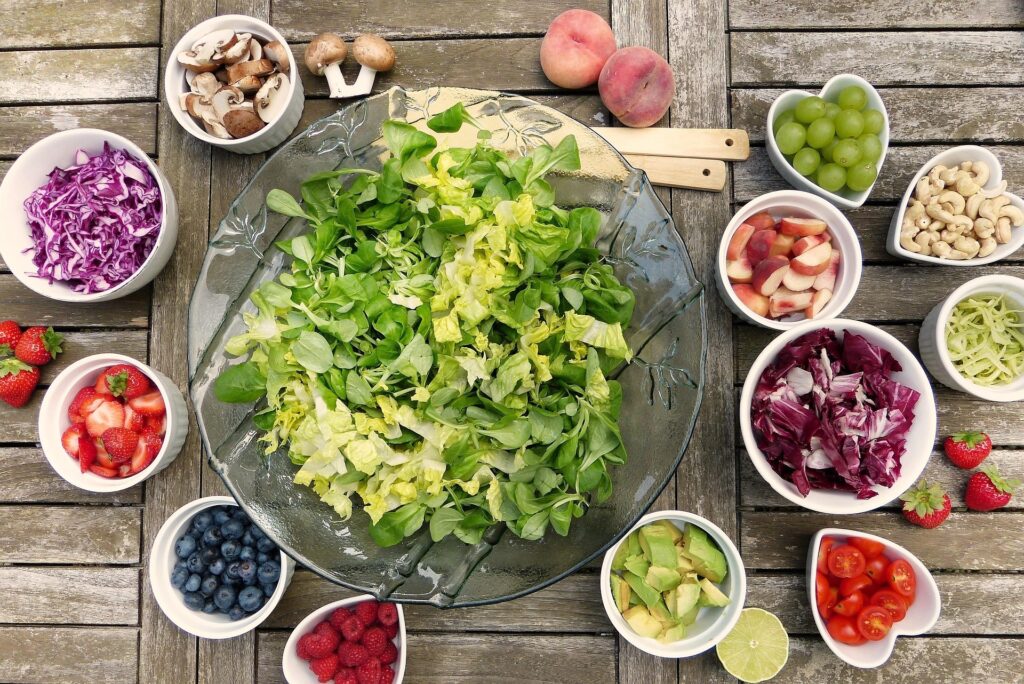
If you’ve spent any time on social media lately, you may have seen the term “fibermaxxing.” It’s a trending nutrition buzzword that refers to intentionally increasing the amount of fiber in your diet to support digestion, fullness, and overall health.
While the name might be new, the concept isn’t. Dietitians have been recommending higher fiber intake for decades, and for good reason.
Why Fiber Matters
Fiber is a type of carbohydrate found in plant foods that the body cannot fully digest. Instead of being broken down for energy, fiber helps support several important functions in the body.
A fiber-rich diet can help:
- Support healthy digestion and regular bowel movements
- Promote heart health
- Help maintain stable blood sugar levels
- Support gut health by feeding beneficial bacteria
- Increase satiety, helping you feel fuller longer
Despite these benefits, most Americans fall short of the recommended fiber intake.
Adults should aim for about 25–38 grams of fiber per day, while children need smaller, but still significant, amounts depending on their age.
What “Fibermaxxing” Gets Right
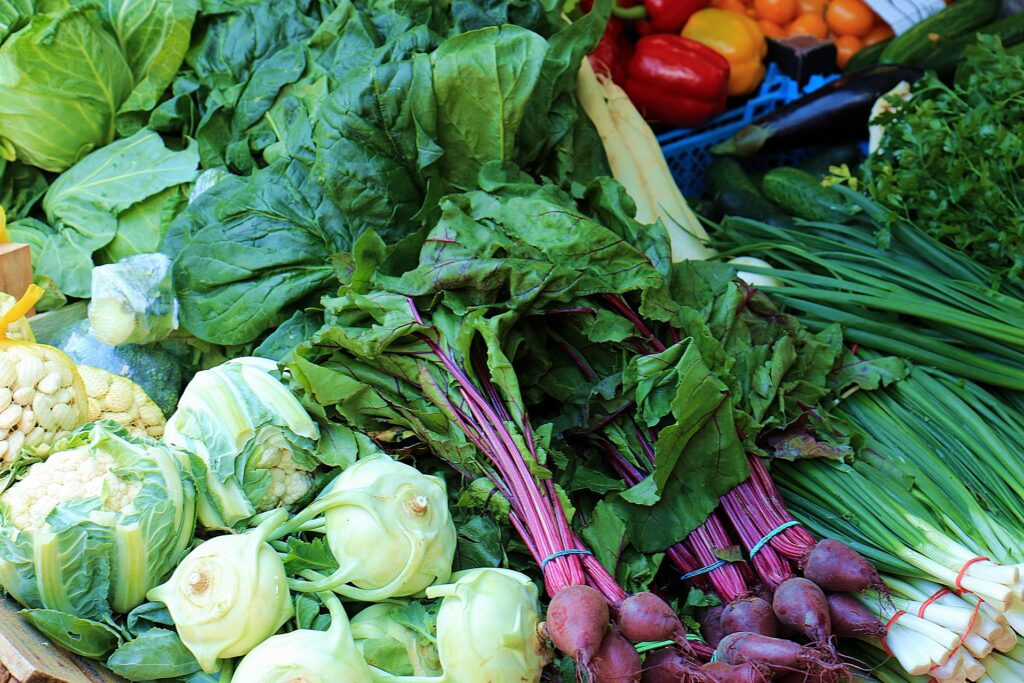
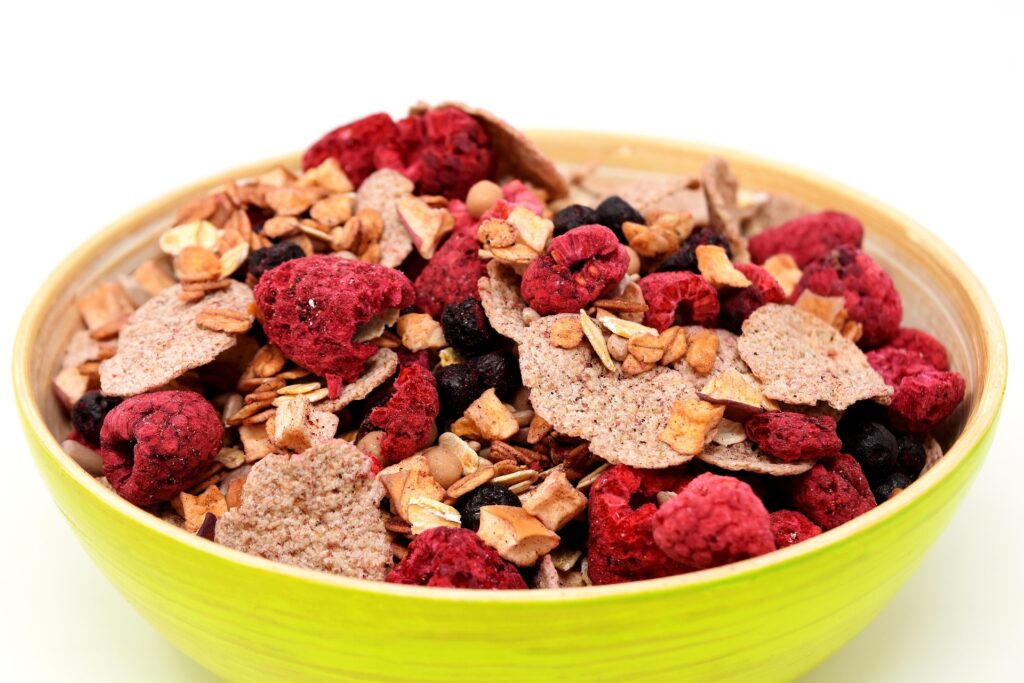
The idea behind fibermaxxing, eating more plant foods, is generally positive. Foods naturally rich in fiber include:
- Fruits and vegetables
- Beans and lentils
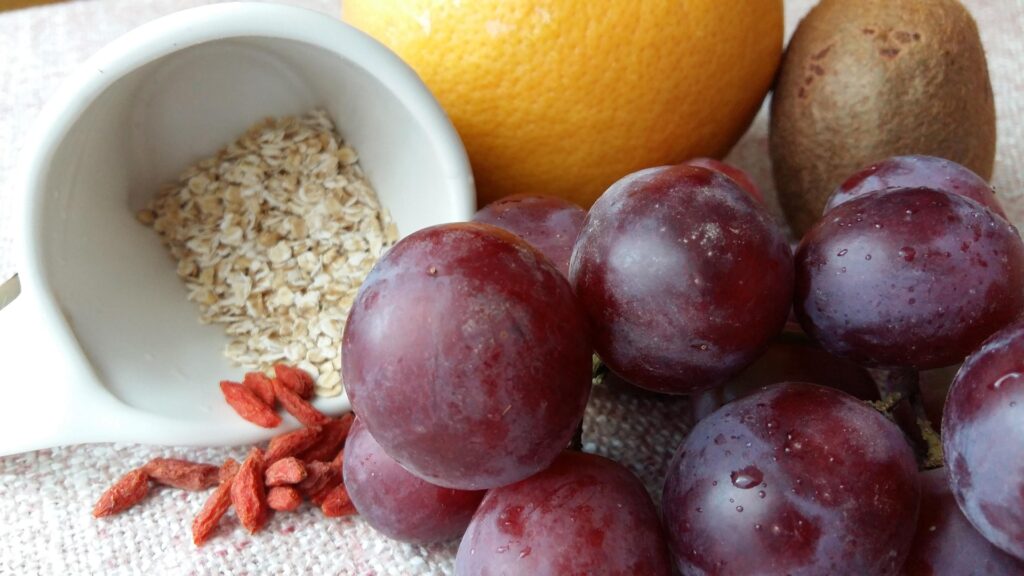
- Whole grains like oats and brown rice
- Nuts and seeds
Adding these foods regularly can support long-term health and improve gut microbiome diversity.
But More Isn’t Always Better
Where fibermaxxing can go wrong is when people try to dramatically increase fiber intake overnight or rely heavily on fiber powders and supplements.
Too much fiber too quickly can cause:
- Bloating
- Gas
- Digestive discomfort
The best approach is to increase fiber gradually and drink plenty of water, allowing your digestive system time to adjust.
Helping Kids Get More Fiber
Getting children to eat more fiber doesn’t have to be complicated. Small, consistent changes can make a big difference over time.
Try these simple strategies:
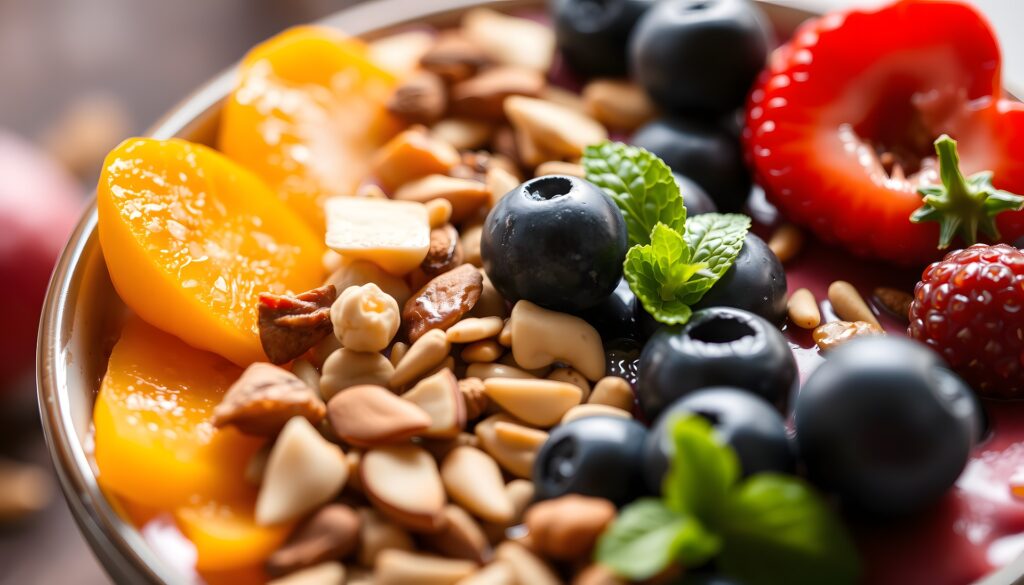
- Start the day with fiber: Oatmeal topped with fruit or whole-grain toast with nut butter are great options.
- Make fruits and vegetables easy to grab: Pre-cut apples, berries, cucumbers, and carrots for quick snacks.
- Upgrade grains: Choose whole-grain bread, pasta, and rice when possible.
- Add beans to familiar meals: Mix black beans into tacos, soups, or rice dishes.
- Blend it in: Smoothies with fruit, spinach, and chia seeds can add fiber without changing flavor too much.
Introducing fiber-rich foods gradually helps kids adjust to new textures and flavors while supporting healthy digestion.
The Bottom Line
Fiber doesn’t need a trendy name to be important. Whether you call it fibermaxxing or simply eating more plant foods, focusing on fiber-rich meals is one of the simplest ways to support digestion, heart health, and overall wellness.
Start small, add a serving of beans to dinner, swap refined grains for whole grains, or include an extra fruit or vegetable each day. Over time, those small changes can make a big difference.