Every five years, national nutrition guidelines are updated to reflect the latest science on health and disease prevention. As the 2026 Dietary Guidelines take effect in schools, healthcare settings, and community programs, many parents are wondering: What’s actually changed, and how does this affect my family?
The good news? The guidance is less about perfection and more about building healthy patterns that work in real life.
A Bigger Focus on Early Childhood Nutrition
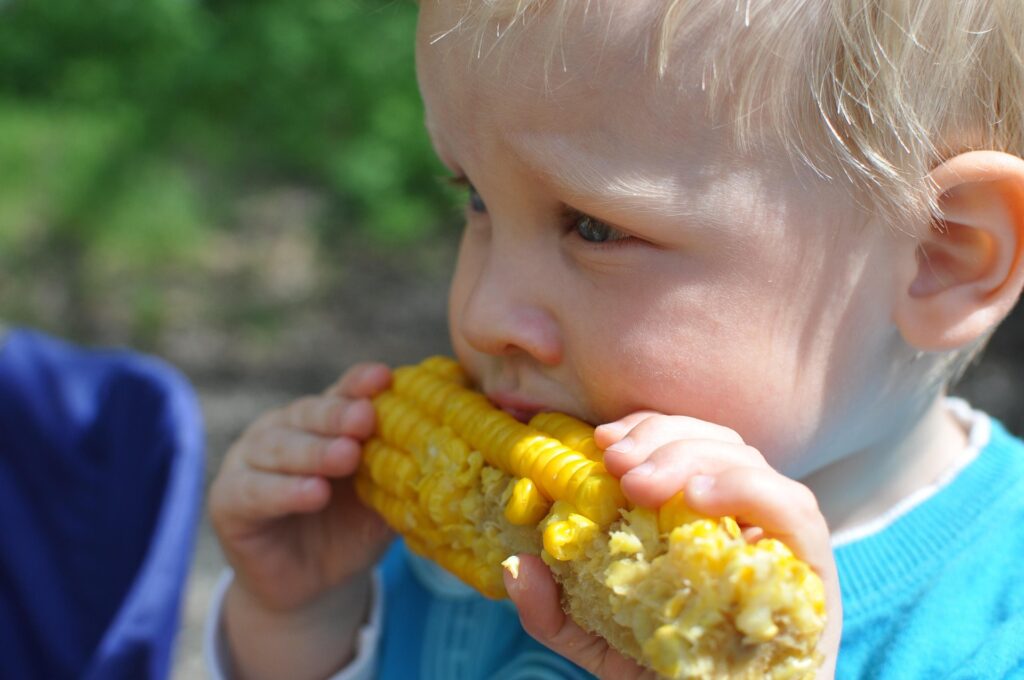
One of the strongest messages in the current guidelines is that nutrition early in life matters more than ever. What children eat from infancy through adolescence helps shape their growth, metabolism, immune system, and long-term relationship with food.
For families, this means prioritizing nutrient-dense foods early on, establishing meal and snack routines, and introducing a wide variety of flavors and textures to build acceptance and reduce picky eating over time.
Healthy habits don’t start in adulthood, they start at the family table.
Quality Over Quantity
Rather than focusing only on calories, the guidelines emphasize food quality. Children and families are encouraged to eat more fruits and vegetables, whole grains, lean proteins (including plant and animal sources), and healthy fats
At the same time, there’s a continued push to limit added sugars, excess sodium, and highly processed foods, especially in children’s diets. This doesn’t mean eliminating favorite foods, it means making nourishing foods the foundation.

What the 2026 Dietary Guidelines Say About Gut Health
One of the quieter, but most important, themes in the 2026 Dietary Guidelines is the growing recognition of gut health as a foundation of overall health, especially for children.
The guidelines emphasize that a healthy gut microbiome supports:
- Digestion and nutrient absorption
- Immune function
- Metabolic health
- Even brain development and mood
For families, this means shifting focus toward foods that feed the gut, not just fill the stomach.
Fiber Takes Center Stage
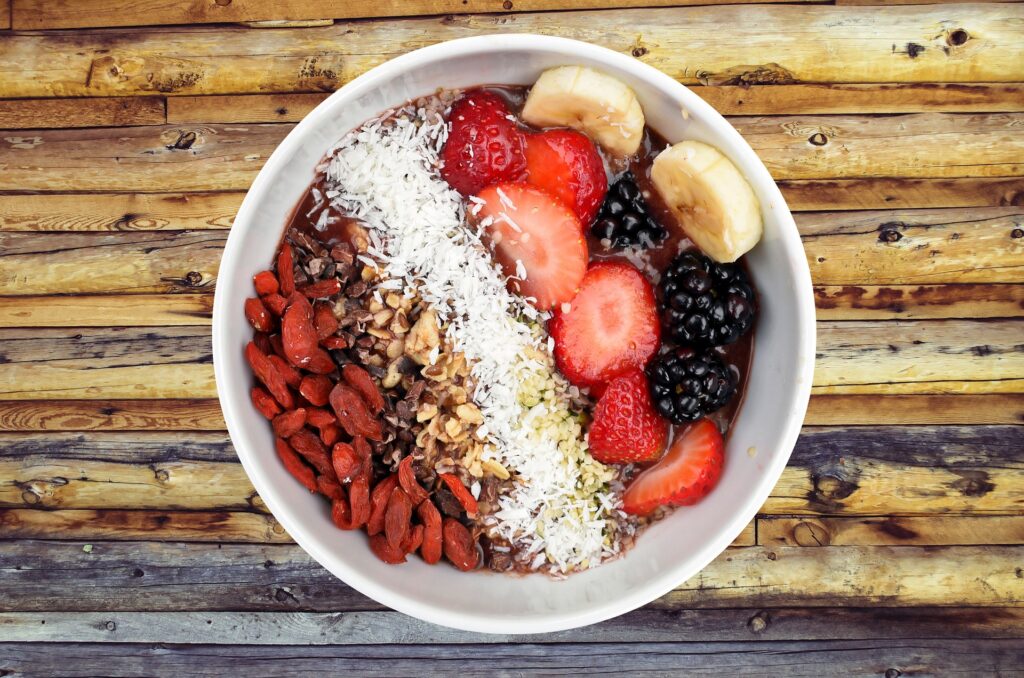
The guidelines continue to highlight dietary fiber as essential, noting that most children and adults do not get enough. Fiber-rich foods help nourish beneficial gut bacteria and support regular digestion.
Families are encouraged to include:
- Fruits and vegetables (fresh, frozen, or canned)
- Whole grains (oats, brown rice, whole wheat pasta)
- Beans, lentils, and peas
- Nuts and seeds (when age-appropriate)
These foods help build a diverse and resilient gut microbiome over time.
Building Gut Health Starts Early
Perhaps most importantly, the guidelines reinforce that gut health begins in early childhood. Repeated exposure to a variety of plant foods helps shape a healthier microbiome and may reduce digestive issues later in life.
This doesn’t require perfection, just consistency and variety over time.
Gut Health Takeaway for Families
Supporting gut health doesn’t mean buying special supplements or following restrictive diets. It means:
- Offering a variety of fiber-rich foods regularly
- Encouraging balanced meals and snacks
- Limiting added sugars when possible
- Focusing on patterns, not single foods
Flexibility for Real Families
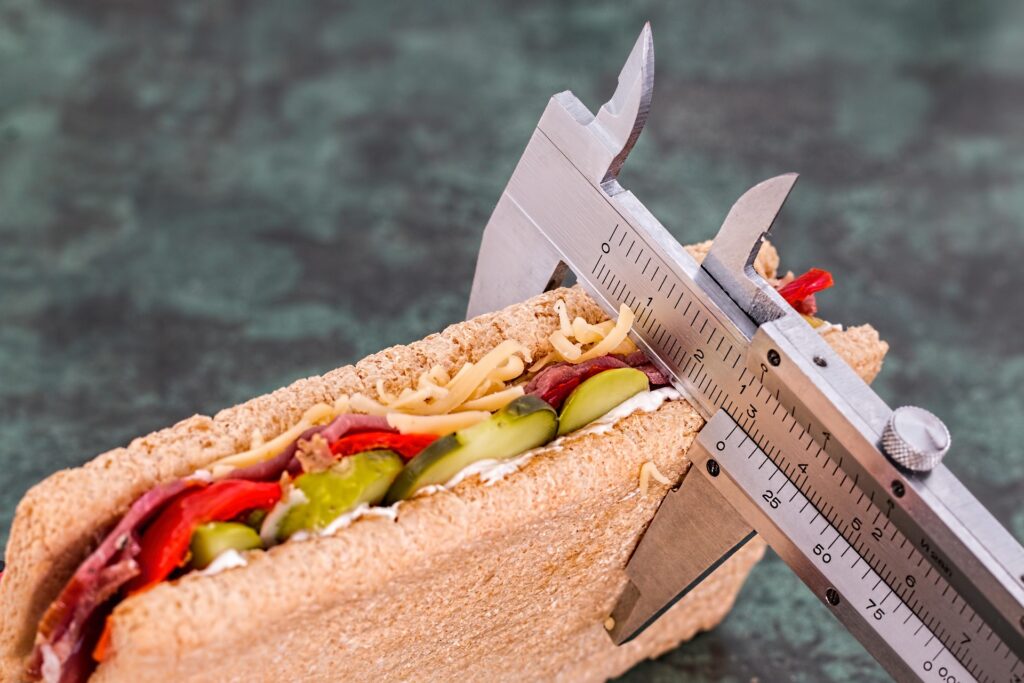
A key shift in the 2026 guidance is the recognition that one-size-fits-all diets don’t work. Cultural traditions, budget, access, and family preferences all matter.
Families are encouraged to adapt meals to cultural and personal food traditions, use affordable, accessible options (including frozen, canned, and simple whole foods count), and focus on balance over restriction.
This approach supports both physical health and a positive relationship with food.
Why This Matters for Families
When families align with these guidelines, even loosely, they may see benefits such as improved energy and focus for kids, better digestion and immune support, reduced risk of chronic conditions later in life, and less stress around food choices
Most importantly, children learn by example. When parents model balanced, flexible eating, kids are more likely to carry those habits into adulthood.

The Takeaway
The 2026 Dietary Guidelines aren’t about strict rules or perfect plates. They’re about building sustainable, nourishing habits that support children and families over time.
Start small. Focus on progress, not perfection. And remember, every balanced meal is an investment in your child’s future health.