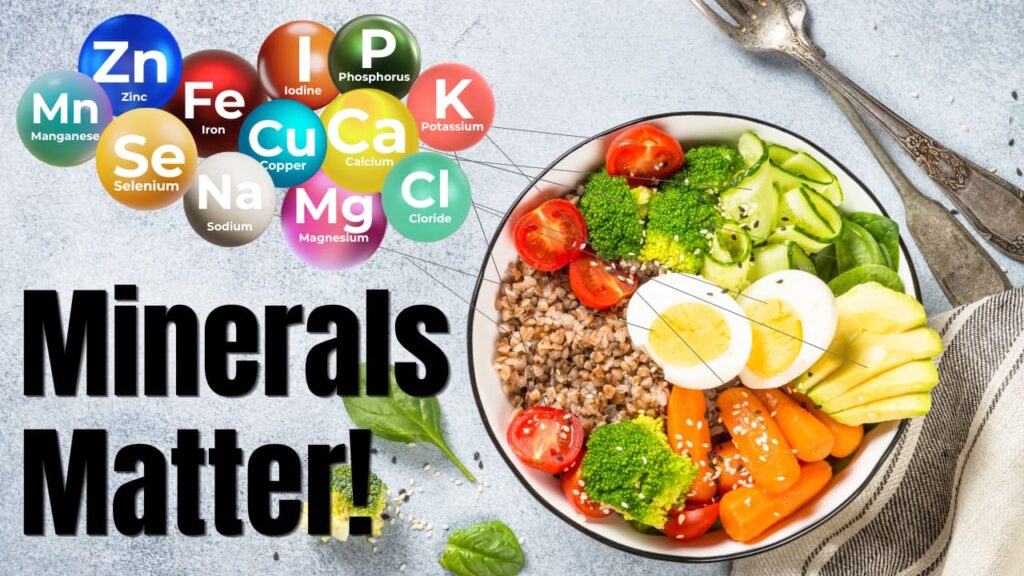
When you look at yours and your child’s dinner plate, you might think about protein, vegetables, carbohydrates, or whether they ate enough. But how often do you look at that same plate and think about magnesium, potassium, calcium, iron, zinc or any other mineral?
Probably not very often!
Minerals are micronutrients, meaning our bodies need them in smaller amounts than macronutrients like carbohydrates, protein, and fat. But small doesn’t mean unimportant. Minerals are involved in everything from building strong bones and carrying oxygen through the body to supporting muscles, nerves, immunity, and a healthy heartbeat.
What Do Minerals Actually Do?
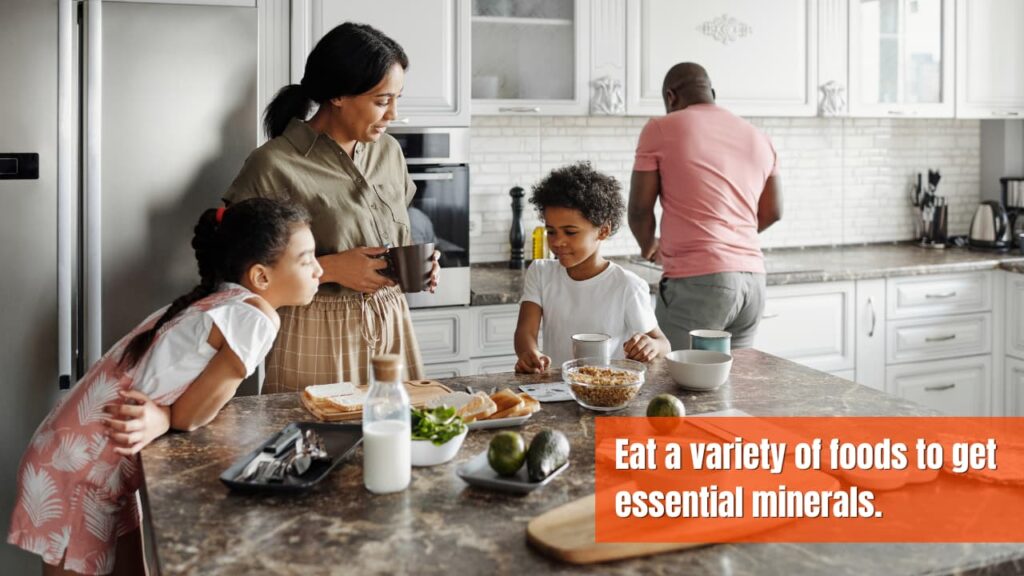
Different minerals have different jobs, which is why eating a variety of foods is so important.
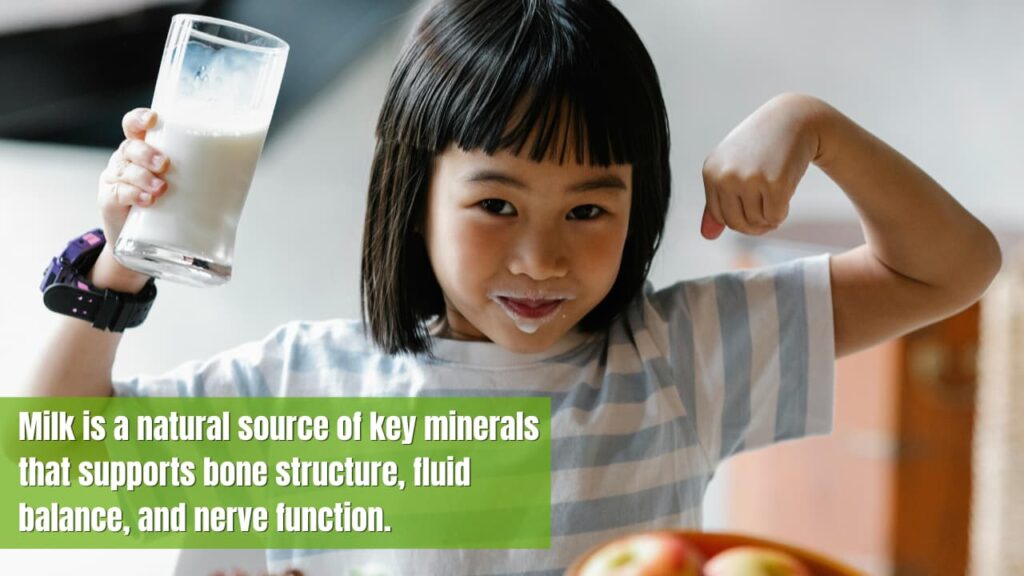
Calcium helps build strong bones and teeth and supports muscle and nerve function. Find it in milk, yogurt, cheese, fortified plant milks, tofu, sardines, and some leafy greens.
Iron helps our bodies make hemoglobin, which carries oxygen in the blood. Children need iron to support growth and development. Sources include lean meats, beans, lentils, fortified cereals, spinach, and other leafy greens. Pairing plant sources of iron with vitamin C-rich foods, such as strawberries, oranges, tomatoes, or bell peppers, can help the body absorb the iron.
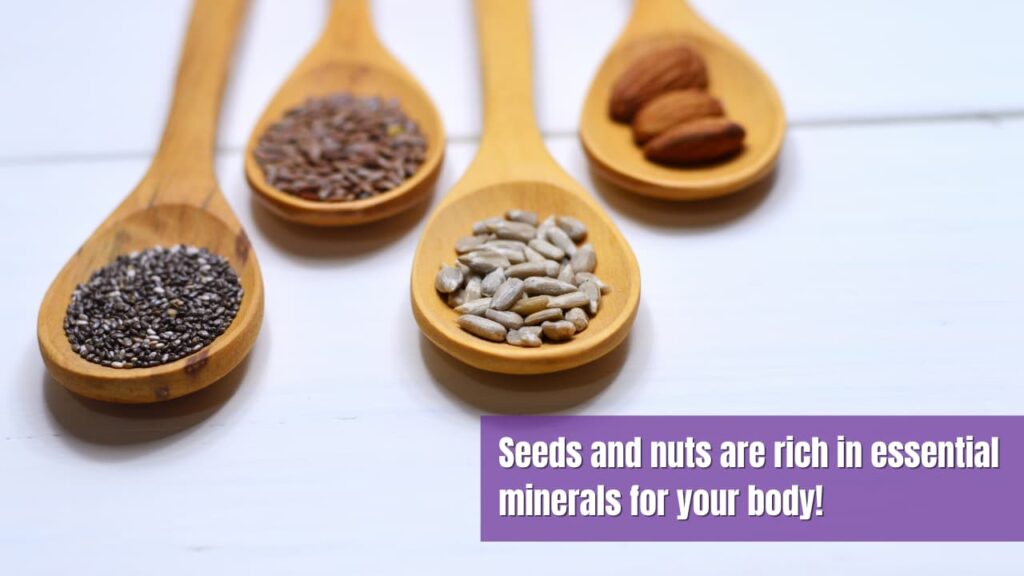
Magnesium plays a role in hundreds of processes in the body, including muscle and nerve function, blood sugar regulation, and bone health. Nuts, seeds, beans, whole grains, and leafy greens are excellent sources.
Potassium supports healthy blood pressure and helps our muscles and nerves work properly. Bananas may get all the attention, but potatoes, beans, avocado, oranges, tomatoes, yogurt, and leafy greens are also great sources.
Zinc supports immune function, growth, and wound healing. You’ll find it in meat, seafood, dairy products, beans, nuts, seeds, and whole grains.
Help Kids Get More Minerals Without Overthinking It
You don’t need to calculate the mineral content of every meal. Instead, think variety and color.
Try adding berries to yogurt at breakfast, beans to tacos, pumpkin seeds to oatmeal, avocado to sandwiches, or leafy greens to soups and pasta sauce. Serve fruit alongside iron-rich meals, and let children help choose a new fruit, vegetable, bean, nut, seed, or whole grain to try.
Even snacks can contribute. Yogurt with fruit, apple slices with nut butter, hummus with vegetables, or a homemade trail mix can provide several important minerals at once.
Think Beyond the Macros
Protein, carbohydrates, fats, and fiber certainly matter but there’s an entire world of nutrition happening at the micronutrient level.
Rather than focusing on one “superfood,” encourage your family to eat a variety of whole and minimally processed foods throughout the week. Different foods bring different minerals to the table, and together they help growing children and their parents build strong bones, healthy blood, functioning muscles, resilient immune systems, and healthy bodies.
Sometimes the nutrients we need in the smallest amounts are doing some of the biggest jobs.